 EN
EN  IT
IT  FR
FR  DE
DE  ES
ES Symbol of faith and art in the heart of Conversano
Cathedral of Saint Mary of the Assumption
A Romanesque masterpiece that tells centuries of history and spirituality
Among the oldest and most fascinating churches in Apulia, the Cathedral of Santa Maria Assunta represents an unmissable stop for those visiting Conversano.
Located in one of the main squares of the city, this majestic cathedral is an example of how faith, art and architecture can merge into a timeless story. An experience to live among details carved in stone, medieval atmospheres and deep spirituality.
A journey through art, faith and historical resilience
Built in the 12th century on the remains of an ancient early Christian temple, the cathedral was commissioned by Bishop Leone and stands out for its majestic <strong-Apulian Romanesque style structure.
In the following centuries, it was expanded and enriched with Baroque elements, including side chapels adorned with stuccoes and gilded friezes.
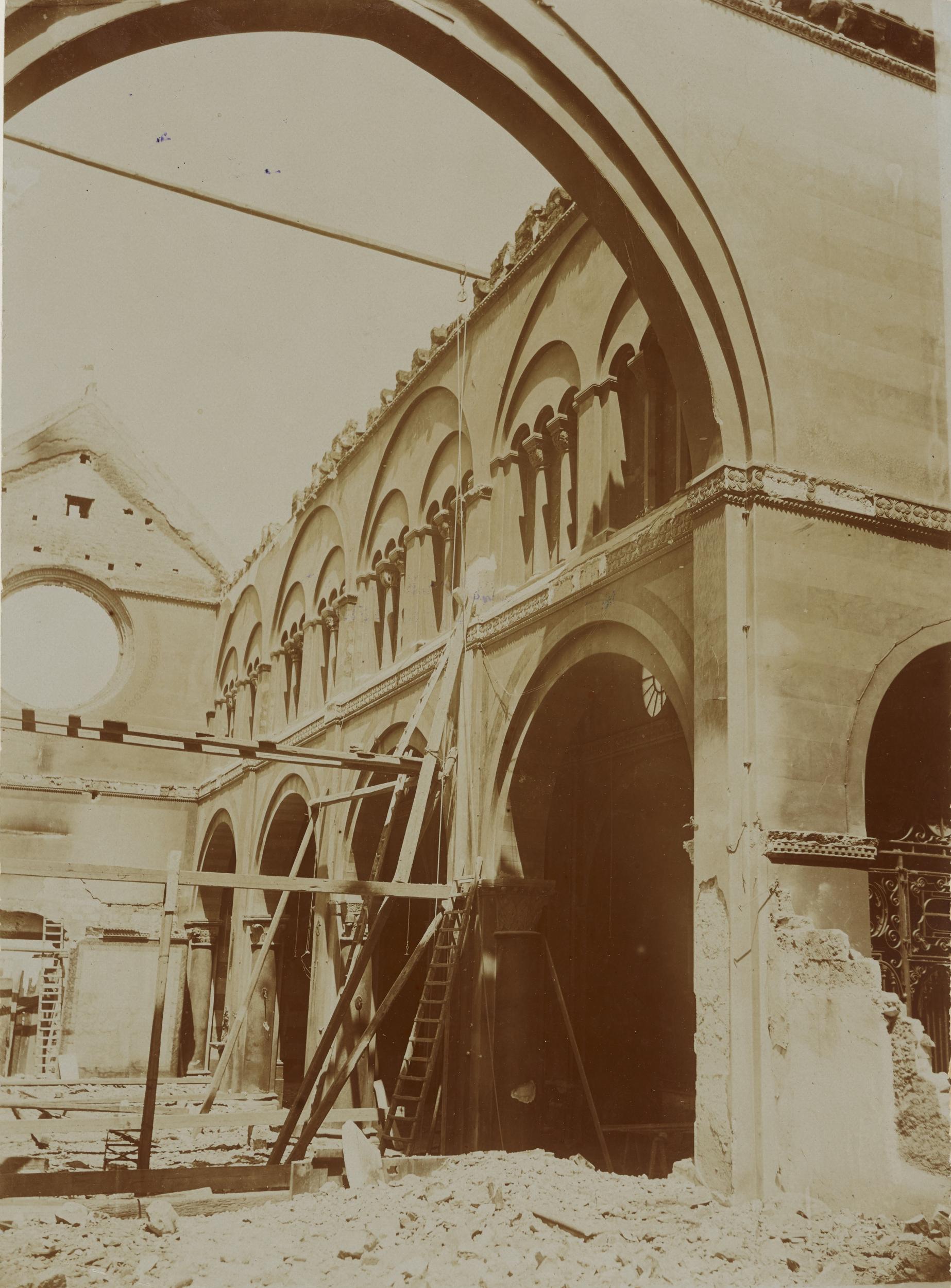
A dramatic event marked the history of the building: on the night of July 10–11, 1911, a violent fire completely destroyed its interiors. The side walls and facades remained intact.
.
Only two sacred elements were miraculously saved: the icon of the Madonna della Fonte, patron saint of Conversano, and a large wooden crucifix.
After the reconstruction, the cathedral returned to its original appearance, while retaining Gothic and Byzantine elements that make it a rare example of stylistic fusion.
The façade and the three monumental doors
The façade is simple yet elegant, with an imposing gable structure dominated by a large 14th-century central rose window.
On the sides, two smaller rose windows and three portals adorned with symbols and sculptures:
🔹Porta Magna: il portale principale, ornato da motivi bizantini, leoni stilofori, l’iconografia mariana e raffigurazioni allegoriche del peccato.
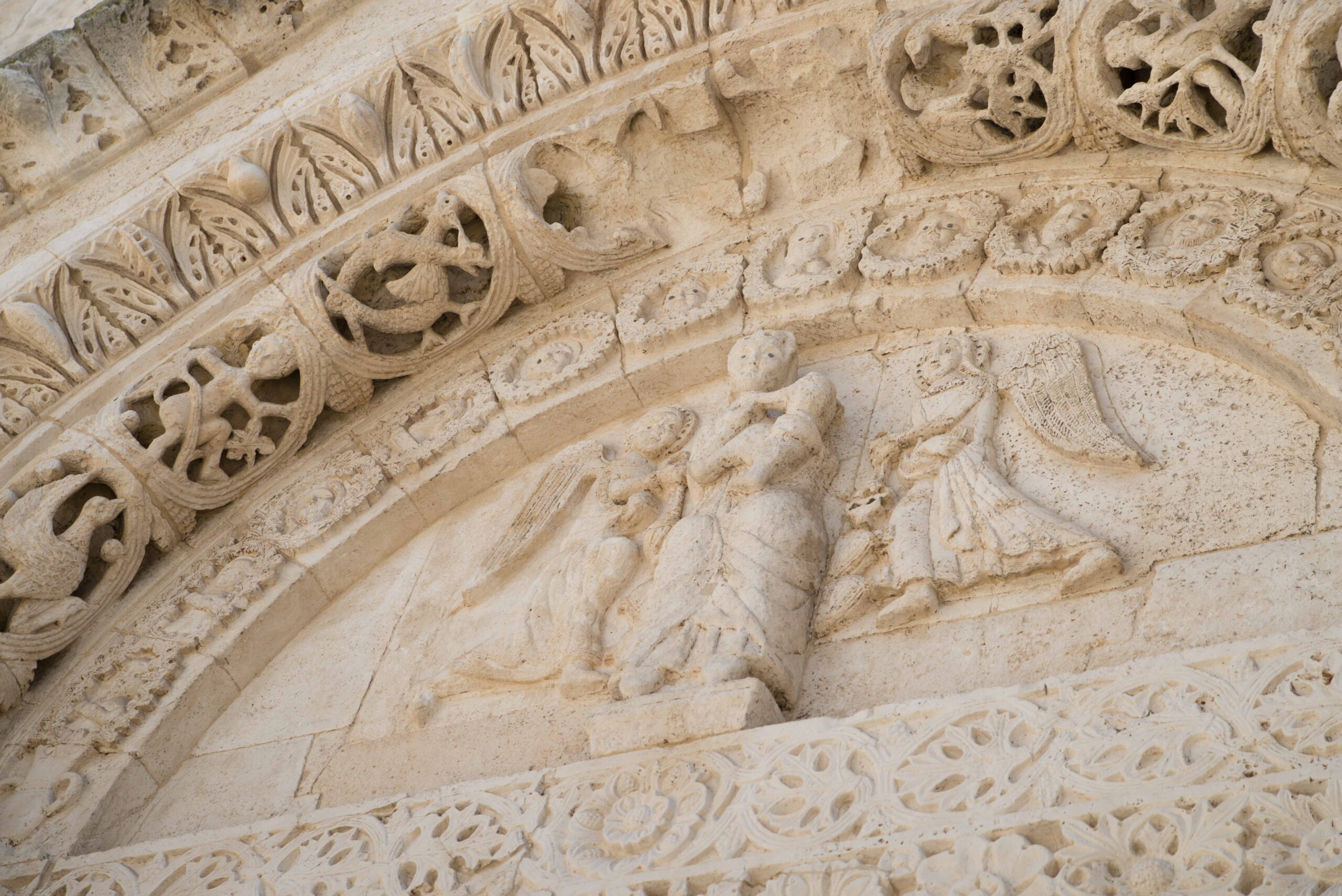
🔹Porta dei Pellegrini: laterale, con San Giorgio che uccide il drago, simbolo di protezione e fede.
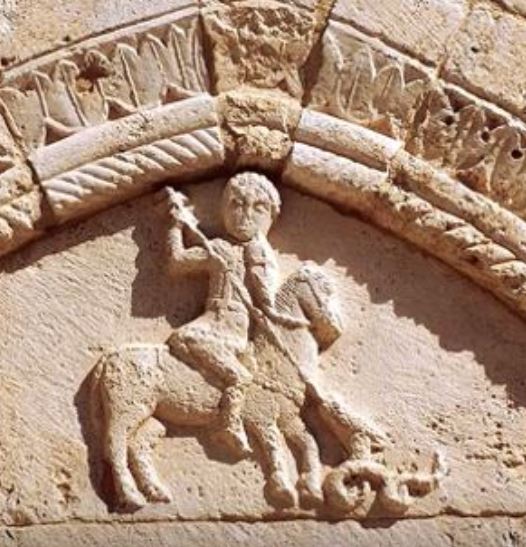
🔹Porta del Giudizio: usata un tempo per le cerimonie funebri, custodisce la statua di San Pietro con le chiavi del Paradiso.
An interior full of spirituality
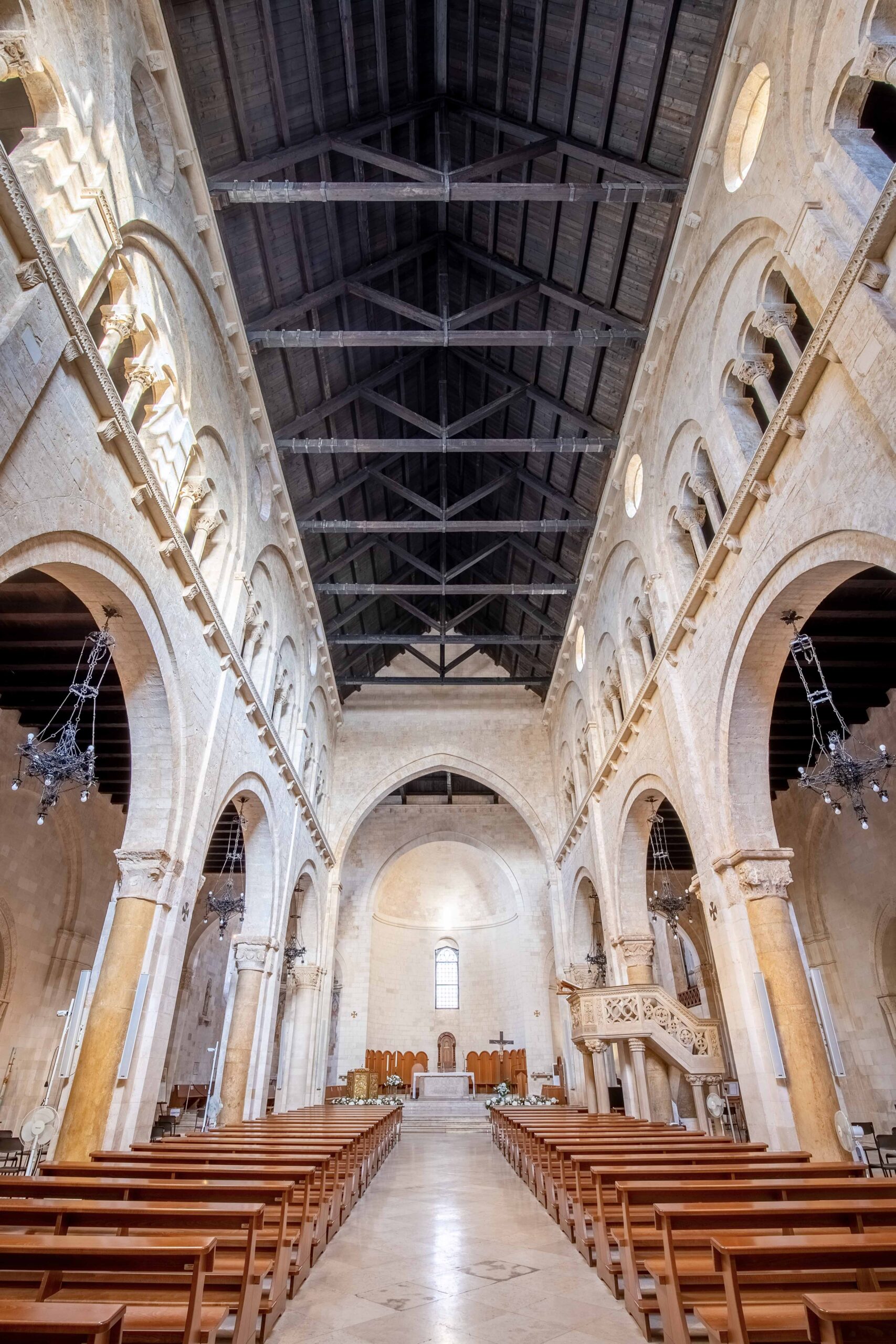
The interior of the cathedral enchants with its austerity. The imposing walls and barren surfaces, combined with the plays of light that change throughout the day, evoke an atmosphere of solemn silence, typical of medieval religious life.
The Latin cross floor plan is divided into three naves, supported by large cruciform pillars that uphold a triforium from the 14th century. Along the side naves, numerous chapels open, housing precious works of art.
Two hatches in the presbytery lead to the underground areas of the early Christian basilica: here, geometric frescoes and an ancient catacomb, probably intended for bishops, are visible.
ℹ️ Info and Visiting Hours
📍Via Monsignore Lamberti, 3
🕰 Visiting Hours
- 10.00-12.00
- 17.00-20.00
Per aggiornamenti sugli orari di apertura e le visite guidate, contatta l’Info Point: +39 080 495 6517.
* N.B. The MINOR BASILICA remains closed in December on Mondays, in January on Tuesdays and Thursdays, in February on Mondays, in March on Tuesdays and Fridays, and in April and May on Tuesdays.
Perché visitare la Cattedrale
Walking through the naves of the Cathedral of Santa Maria Assunta means experiencing centuries of art, history, and spirituality firsthand.
Every detail, from the carved stone to the symbolism of the doors, tells of a living and faithful community that has been able to rebuild and preserve its greatest treasure. A place where architecture becomes prayer and beauty transforms into an inner experience.