


History, power and spirituality
Monastery of Saint Benedict
A thousand-year-old monastery led for centuries by abbesses with extraordinary powers
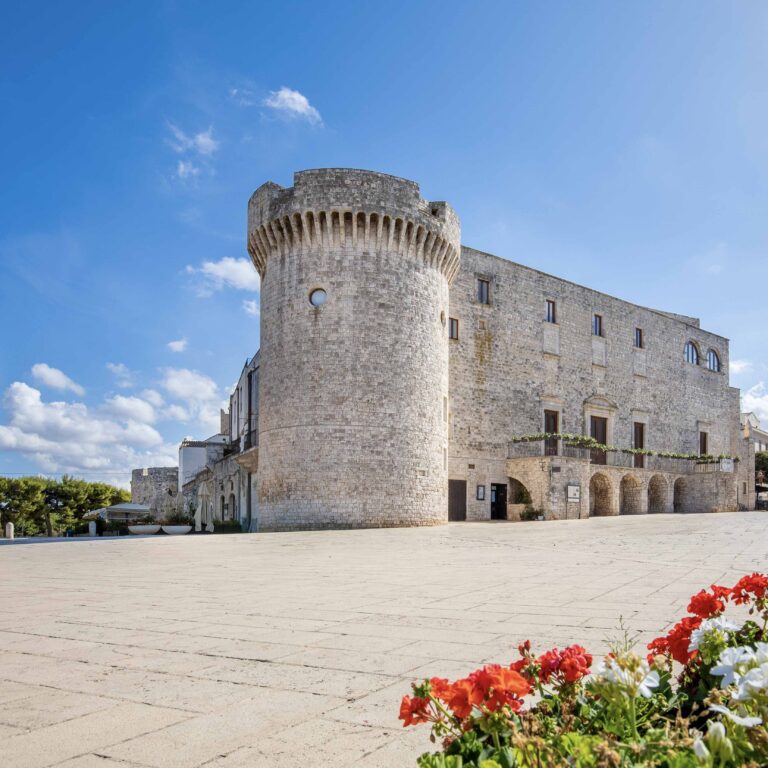
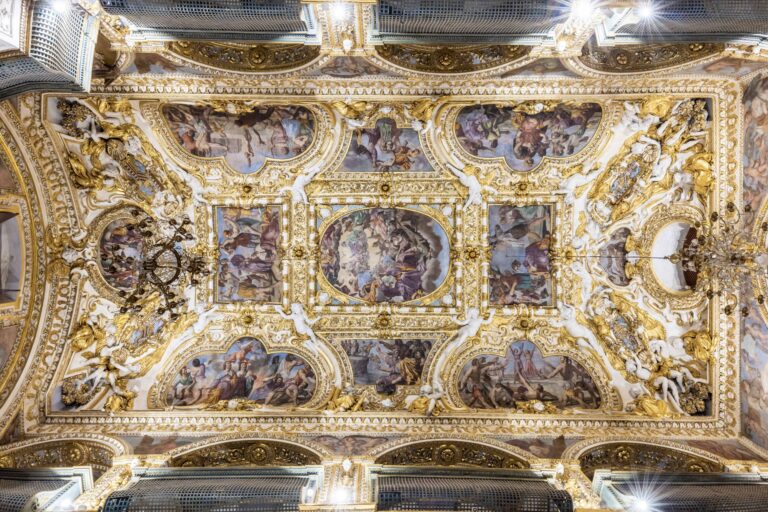
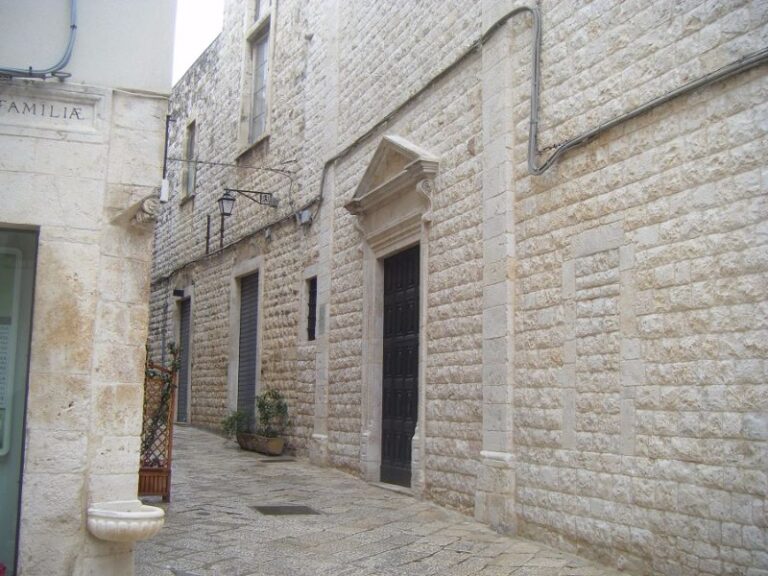
The Monastery of San Benedetto is one of the most fascinating and symbolic sites in Conversano. Nestled in the historic centre, this sacred building tells a story spanning a thousand years, combining architecture, spirituality and an extraordinary tale of women’s emancipation.
A unique monastery, between sacred history and female power
Founded way back in 889, it was initially inhabited by Benedictine monks. A momentous change took place in 1267, when the monastery was entrusted to Dameta Palaeologos, a woman from the Peloponnese who arrived in Conversano together with a group of Cistercian nuns.
In 1271, following recognition by Pope Gregory X, Dameta was proclaimed the first abbess of Conversano, receiving the mitre and crozier, symbols of episcopal authority.
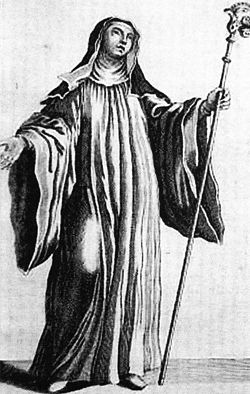
From that moment on, the abbesses became figures of great authority, exercising a power comparable to that of counts and bishops – a power described as almost “monstrous“. The clergy of Castellana were even required to pay them homage by kissing their hands.
Over the centuries, the monastery became known as the “Women’s Monastery” and its uniqueness became the stuff of legend.
This power lasted for around five centuries, until 1810, when G. Murat’s decree of suppression brought an end to this unique institution, which was described as the “Monstrum Apuliae” – the wonder of Apulia – , partly because of its unique nature and partly because of the prevailing opposition at the time to women’s power.
The Baroque Bell Tower and the Coats of Arms of Power
One of the monastery’s most recognisable features is its Baroque bell tower, built in 1655, with a striking colour contrast between red and white.
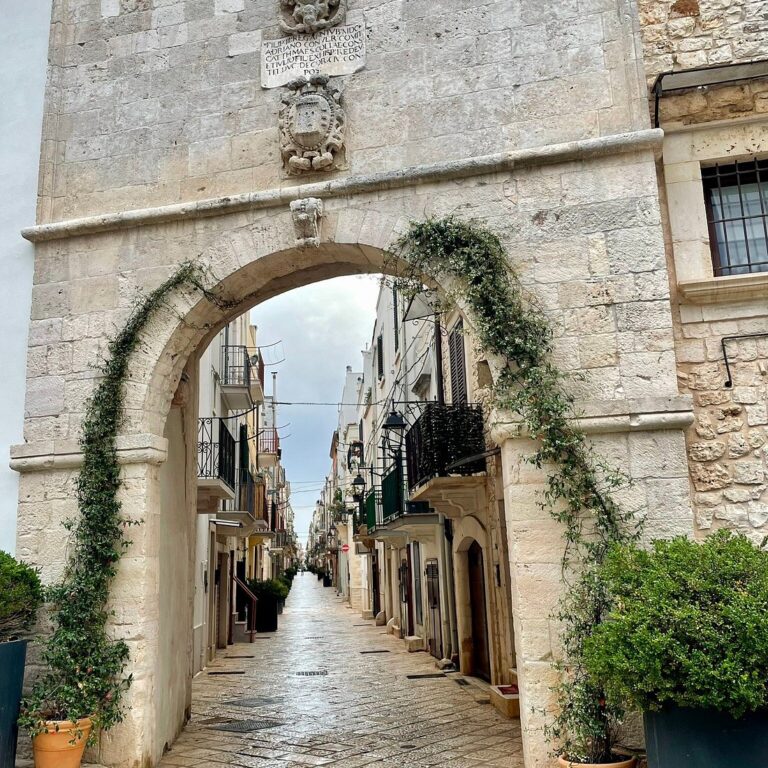
The entrance is surmounted by three impressive coats of arms:
- In the centre: the coat of arms of Pope Alexander VII.
- On the right: the coat of arms of the Counts of Acquaviva d’Aragona alongside that of Isabella Filomarino, who exercised the right of patronage over the appointment of abbesses.
- On the left: the coat of arms of Count Goffredo Altavilla, founder of the county, to which the crosier – a symbol of female spiritual authority – was added.
The bell tower’s original roof was clad in polychrome majolica tiles, which were later replaced by bricks in shades of yellow and blue.
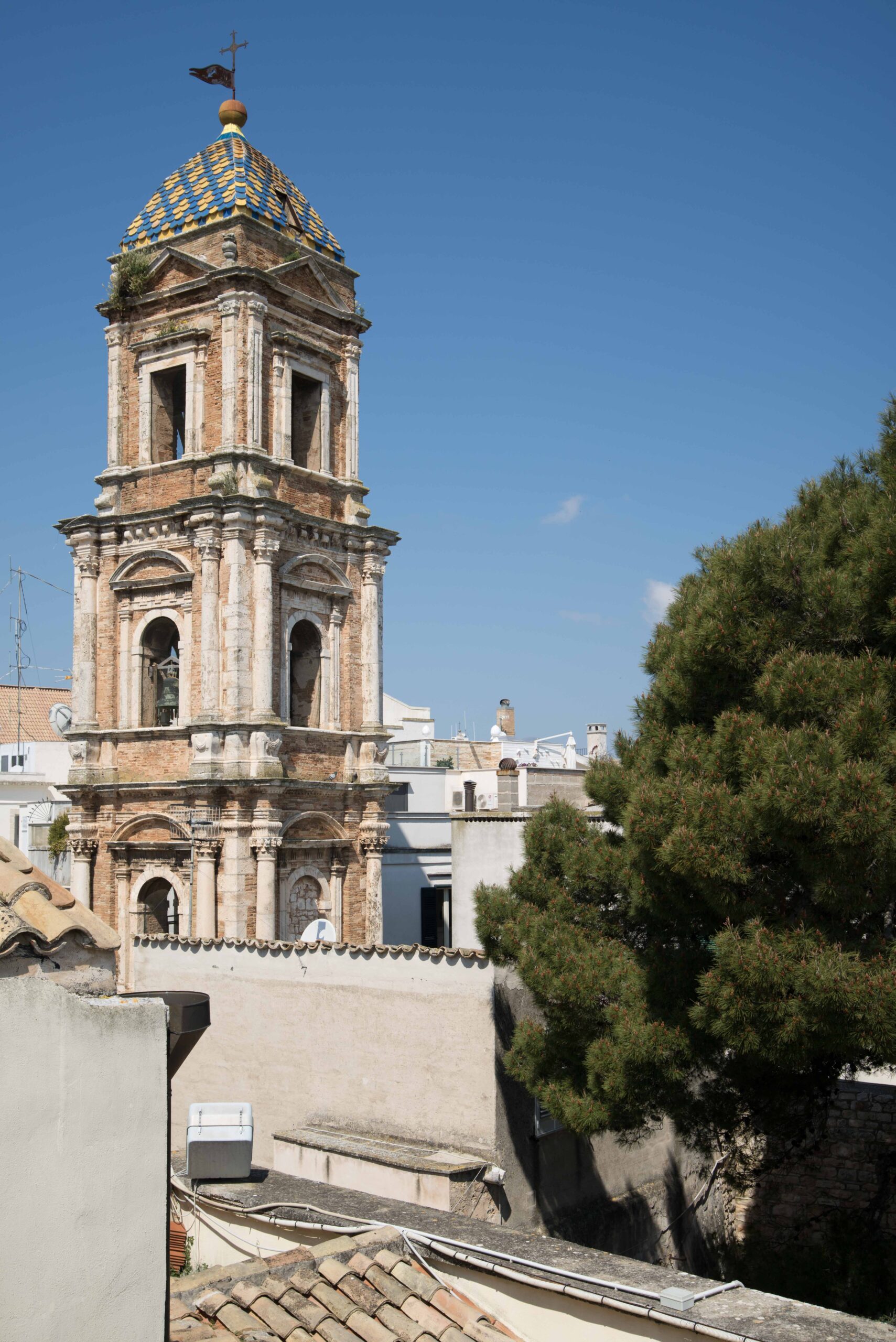
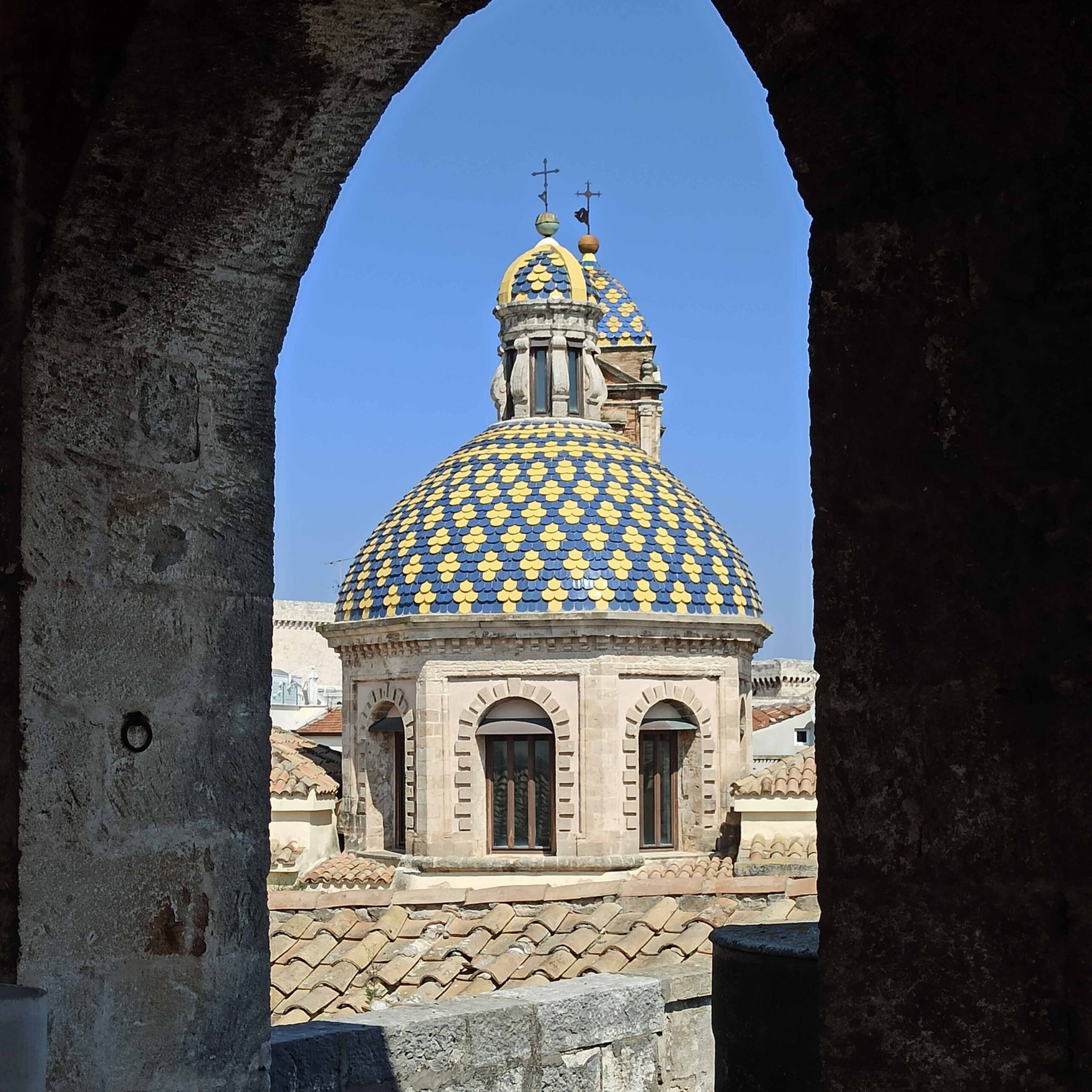
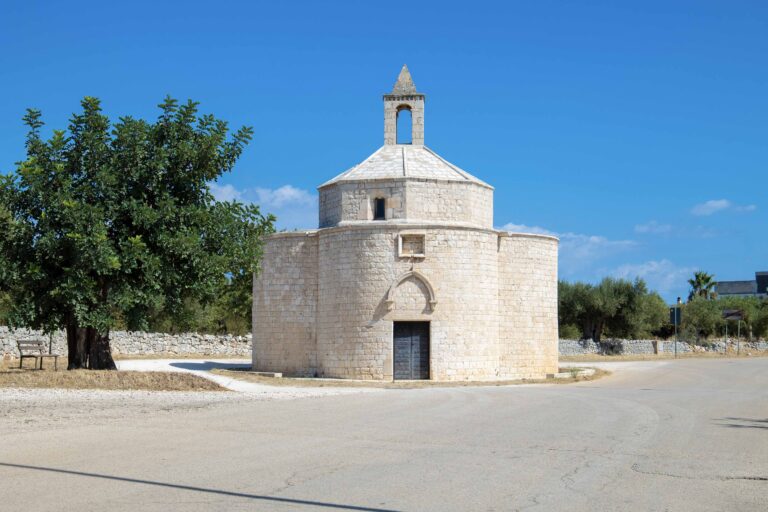
The building’s dome, which rises harmoniously above the monastic complex, certainly does not go unnoticed. Its simple yet elegant structure lends further vertical height to the monastery’s silhouette, completing the balance between the Romanesque and Baroque elements that characterise the entire complex.
The Archaeological Museum of Conversano
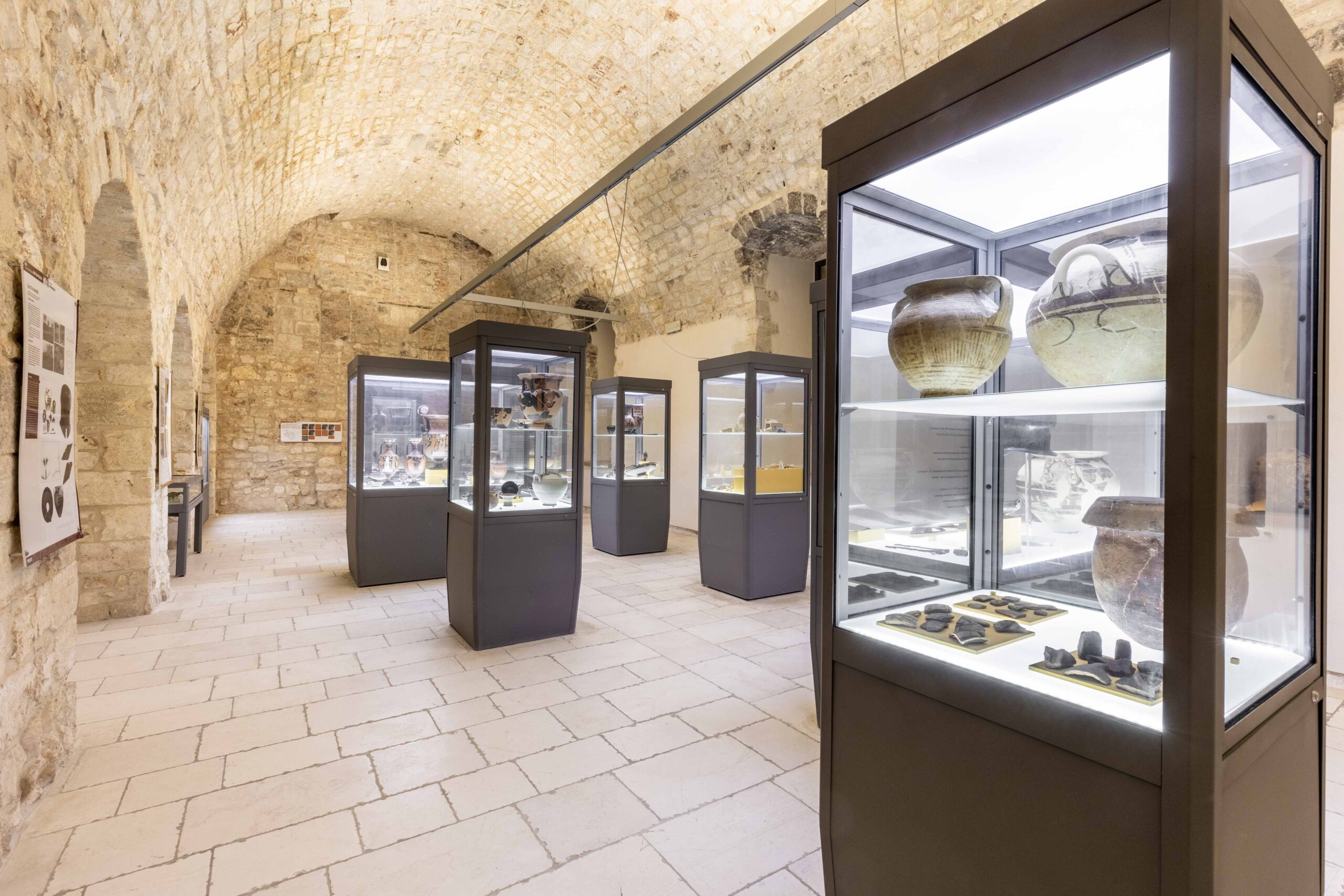
Today, the monastery buildings also house the Conversano Archaeological Museum, which holds a valuable collection of artefacts that trace the history of the area from prehistoric times through to the Middle Ages.
The museum is a fundamental stop for anyone wishing to gain a deep understanding of the city's identity and historical evolution.
ℹ️ Visiting information and times
📍Via San Benedetto, 20, Conversano (BA)
🕰 Opening hours Church in San Benedetto:
- 10.00-12.00
- 17.00-20.00
For updates on opening hours and guided tours, please contact the Info Point.
📞 +39 080 495 6517
✉️ Email: iat@comune.conversano.ba.it
* Please note: The Church of St Benedict is closed on Wednesdays.
Why visit
The Monastery of San Benedetto is much more than a monument: it is a symbol of strength, culture and spirituality. Its walls tell an extraordinary story of women who were able to exercise power, protect the community and leave an indelible mark on the history of Puglia.
Visiting this place means immersing yourself in a timeless world, amidst noble coats of arms, Baroque architecture, silent domes and the charm of a past that still has much to tell.